


 Frenchs Forest NSW 2086
Sandstone is one of Australia’s most beloved natural building materials. It carries a warmth and character that modern materials simply can’t replicate. But over time, weathering, staining, and surface decay can make it look tired and worn. Before you consider tearing it all out, here’s something worth knowing — restoration is often the smarter, more cost-effective option.
Why Sandstone Deteriorates In The First Place?
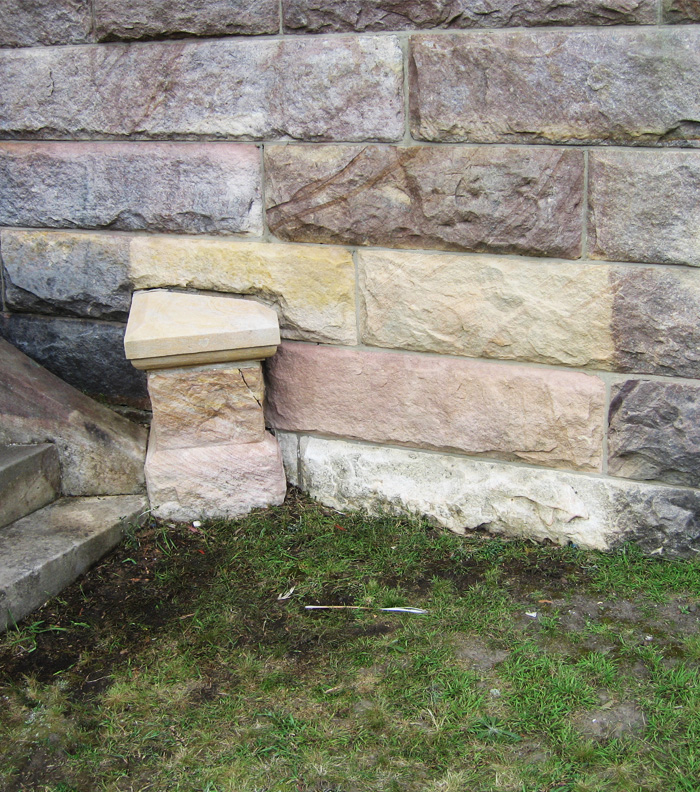
Sandstone is porous by nature. It absorbs moisture, dirt, biological growth, and pollutants over time. The result? You get efflorescence, dark staining, moss, lichen, and surface erosion. These aren’t signs the stone is dying. There are signs it needs professional attention.
Common causes of deterioration include:
- Prolonged moisture exposure
- Biological growth, like moss and lichen
- Salt crystallisation beneath the surface
- Incorrect cleaning methods were used in the past
- Lack of sealing after installation
Restoration vs Replacement — What’s Actually Involved?
Restoration typically involves deep cleaning, re-pointing, consolidation, and sealing. Replacement means removing the original stone entirely, which can be costly, disruptive, and often unnecessary.
Here’s a quick comparison:
| Factor | Restoration | Replacement |
| Cost | Lower | Significantly higher |
| Time | Days | Weeks |
| Heritage value | Preserved | Lost |
| Environmental impact | Minimal | High |
| Result | Like-new appearance | New stone look |
In most cases, restoration wins — especially when the stone’s structural integrity is still sound.
What Professional Sandstone Cleaning Actually Does
A proper sandstone cleaning in Northern Beaches service doesn’t just rinse the surface. It removes deeply embedded staining, kills biological growth, and prepares the surface for long-term protection. Professionals assess the stone before choosing the right method — whether that’s low-pressure washing, chemical treatment, or mechanical cleaning.
Trying to DIY this with high-pressure hoses? That’s one of the fastest ways to cause irreversible surface damage.
When Restoration Works Best
Not every sandstone surface is a candidate for restoration. But most are. You’re in good shape for restoration if:
- The stone is structurally sound
- Surface damage is mostly cosmetic
- Mortar joints are repairable rather than crumbling completely
- The stone hasn’t been previously sealed with the wrong products
A professional for sandstone cleaning in Belrose can assess your stone and give you an honest answer quickly.
What About Heavily Weathered Stone?
Even heavily weathered sandstone can often be saved. Consolidation treatments can stabilise softened stone surfaces. Re-pointing can restore crumbling mortar. And the right sealer, applied after cleaning, dramatically extends the stone’s life.
A sandstone cleaning in Davidson expert will look at the full picture — not just the surface — before recommending a path forward.
Sealing Is the Step Most People Skip
After restoration, sealing is non-negotiable. A quality penetrating sealer repels moisture, slows biological regrowth, and makes future cleaning far easier. Without it, you’re back to square one within a couple of years.
A qualified professional specialising in sandstone cleaning in Terrey Hills will recommend the right sealer for your stone type and environment.
Ready To Save Your Sandstone?
Don’t spend big on replacement before exploring restoration. Get a professional assessment for sandstone cleaning in Northern Beaches first — you might be surprised how much life is left in your stone. Reach out to a qualified sandstone specialist like Perfection Pressure Cleaning today and take the first step toward bringing your stone back to its best. Wish to learn more about our services? Dial 0412 901 477!
FAQs
- How long does sandstone restoration typically take?
Most residential jobs are completed within one to three days, depending on the size and condition of the surface. - Can sandstone be restored if it has been previously painted? Yes, but paint removal requires specific treatments. A specialist can assess whether full restoration is still achievable.
- Is sandstone restoration safe around garden beds and plants? Reputable professionals use treatments that are safe around landscaping when applied correctly.
- How often should sealed sandstone be resealed? Generally, every three to five years, depending on exposure conditions and the type of sealer used.
- Will restored sandstone look the same as new stone? Not always — restored stone retains its natural character and patina, which many people actually prefer over brand-new stone.

