


 Frenchs Forest NSW 2086
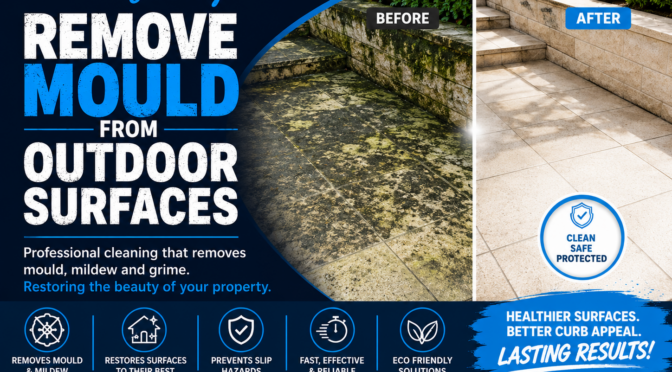
When black‑spotted growth starts creeping across your patio, driveway, or garden fence, you need a fast, reliable solution. How to remove mould from outdoor surfaces is simple once you understand why it appears, the health risks it poses, and the best cleaning methods for Sydney’s climate. This guide walks you through DIY steps, professional pressure‑cleaning options, and the reasons to call Perfection Pressure Cleaning for a flawless finish.
Key Takeaways
- Mould thrives on moisture, organic debris, and shade—common in Sydney’s coastal and inland suburbs.
- Regular pressure washing at 1500‑2500 psi removes spores without damaging concrete, brick, or timber.
- DIY cleaners (vinegar, bleach, or commercial mould‑removal agents) work for small areas, but professional equipment ensures deep penetration.
- Safety first: wear gloves, goggles, and a respirator; keep surrounding plants protected.
- Perfection Pressure Cleaning offers a free, on‑site quote for mould removal across Sydney CBD, Parramatta, Blacktown, and beyond.
Why Mould Grows on Outdoor Surfaces in Sydney
Australia’s temperate climate, combined with high humidity near the harbour and occasional summer rain, creates the perfect breeding ground for mould. In suburbs like Bondi, Manly, and North Sydney, shade from trees and building overhangs traps moisture on surfaces such as:
- Concrete driveways and pathways
- Brick walls and garden fences
- Wooden decks and pergolas
- Exterior house cladding
Organic matter—leaf litter, pollen, and algae—provides food for fungal spores. When water sits for more than 48 hours, spores germinate, forming the familiar black or green‑ish patches.
Health and Safety Risks
Mould releases spores that can trigger allergic reactions, asthma attacks, and skin irritation. For families with children or pets, prolonged exposure may lead to chronic respiratory issues. Moreover, mould can degrade the structural integrity of timber and porous stone, causing costly repairs.
Assessing the Situation: When to DIY and When to Call a Pro
Small, isolated patches (under 1 m²) on a patio or garden bench can often be tackled with household solutions. However, large‑scale growth on driveways, building facades, or commercial properties requires the power and expertise of a professional pressure‑cleaning service.
DIY Mould Removal – Quick Checklist
- Identify the material: Concrete, brick, timber, or metal each need a specific approach.
- Gather protective gear: Nitrile gloves, safety goggles, and an N‑95 respirator.
- Choose a cleaner: 1 part bleach to 3 parts water for non‑porous surfaces; undiluted white vinegar for timber.
- Test a hidden spot: Ensure the solution won’t discolor or damage the surface.
- Apply, scrub, rinse: Use a stiff brush, let the solution sit 10‑15 minutes, then rinse thoroughly with a garden hose.
If the mould reappears after two weeks, it’s a sign that spores have penetrated deeper than surface cleaning can reach. At that point, professional pressure cleaning mould removal is the safest, most effective route.
Professional Pressure Cleaning: The Gold Standard
Perfection Pressure Cleaning employs high‑efficiency hot‑water pressure washers capable of delivering 1500‑2500 psi at 120‑150 °C. This combination not only dislodges stubborn spores but also sanitises the surface, preventing regrowth.
Step‑by‑Step Process Used by Sydney’s Leading Experts
- Pre‑inspection: A technician evaluates the surface, identifies hidden moisture sources, and notes any delicate fixtures that need shielding.
- Surface preparation: Loose debris is swept away, and surrounding plants are covered with plastic sheeting.
- Application of eco‑friendly mould‑killer: A biodegradable biocide is sprayed, allowing 5‑10 minutes of dwell time.
- Hot‑water pressure wash: The machine blasts the area, forcing the biocide deep into pores and flushing out spores.
- Rinse and inspection: A final rinse removes residual chemicals, followed by a walk‑through to confirm complete removal.
Because the equipment reaches temperatures that ordinary garden hoses cannot, the risk of surface damage is minimal while the cleaning depth is maximised.
Choosing the Right Method for Different Outdoor Materials
Concrete and Driveways
Concrete is porous, so a hot‑water pressure wash combined with a mild acid‑based cleaner (e.g., phosphoric acid) dissolves mould without etching the surface. This method is ideal for suburbs like Parramatta, Blacktown, and Penrith, where driveways endure heavy traffic and frequent rain.
Brick Walls and Facades
Brick can handle higher pressure, but it’s essential to maintain a 30‑degree angle to avoid spalling. A biodegradable mould‑killer followed by a 2000‑psi wash removes spores while preserving mortar joints. Areas such as Chatsworth and Bankstown benefit from this technique.
Timber Decks and Pergolas
Wood requires a gentler approach. A low‑pressure (800‑1200 psi) wash with a wood‑safe biocide prevents fiber damage. After cleaning, applying a protective sealant safeguards against future mould growth—a service frequently requested in Manly and Cronulla coastal homes.
Preventative Strategies to Keep Mould at Bay
Even after a thorough cleaning, mould can return if moisture sources remain. Implement these habits to protect your property year‑round:
- Improve drainage: Ensure gutters, downspouts, and ground slopes direct water away from walls and decks.
- Trim vegetation: Reduce shade on walls and concrete to allow sunlight to dry surfaces.
- Regular maintenance: Schedule a bi‑annual pressure cleaning, especially after the rainy season (May–October).
- Use mould‑resistant paints: For exterior walls, choose paints containing fungicidal additives.
Cost Considerations: DIY vs Professional Service
DIY cleaning supplies typically cost between $15‑$30 for a single treatment. However, the labor time, risk of incomplete removal, and potential surface damage can outweigh the savings.
Professional mould removal in Sydney averages $150‑$350 per hour, depending on surface size and accessibility. For a standard 100 m² driveway in Castle Hill or Hornsby, most clients see a total cost of $500‑$800, which includes a guarantee of mould‑free results for up to 12 months.
Why Choose Perfection Pressure Cleaning for Mould Removal in Sydney
Our team combines local knowledge with state‑of‑the‑art equipment. Whether you’re in the bustling Sydney CBD or the leafy streets of Auburn, we understand the unique climate challenges each suburb faces. We offer:
- Free on‑site assessments and quotes
- Eco‑friendly, Australian‑made cleaning agents
- Fully insured, background‑checked technicians
- Same‑day service for emergency mould outbreaks
Perfection Pressure Cleaning offers expert pressure washing, mould removal, graffiti cleaning, and concrete stain removal across Sydney. Call 0412 901 477 today for a free quote.
Conclusion: Take Action Today
Mould on outdoor surfaces is more than an eyesore; it’s a health hazard and a potential structural threat. By understanding why it forms, applying the right cleaning method, and scheduling regular maintenance, you protect your home and boost curb appeal. For lasting results, trust the professionals who know Sydney’s suburbs inside and out.
What causes mould to grow on outdoor concrete?
Mould thrives on moisture, organic debris, and shade. Concrete is porous, so water seeps in, providing a perfect environment for spores to germinate, especially after rain or in humid coastal areas like Bondi and Manly.
Is bleach safe for cleaning mould on brick walls?
Yes, a diluted bleach solution (1 part bleach to 3 parts water) is effective on non‑porous brick. Always test a small area first and rinse thoroughly to avoid discoloration.
Can I use a regular garden hose to remove mould?
A garden hose may wash away surface spores, but it lacks the pressure and temperature needed to penetrate deeper. For lasting results, a pressure washer (1500‑2500 psi) is recommended.
How often should I schedule professional mould cleaning?
In Sydney’s climate, a bi‑annual service—once after winter and once after summer—keeps spores under control. High‑traffic areas like driveways may benefit from quarterly visits.
Do I need to move my plants when pressure cleaning?
Yes, cover nearby plants with plastic sheeting or move them temporarily. This protects foliage from high‑pressure water and cleaning chemicals.
What is the difference between hot‑water and cold‑water pressure washing?
Hot‑water washing (120‑150 °C) emulsifies oils and activates biocides, reaching deeper into pores. Cold‑water is suitable for light debris but less effective against ingrained mould.
Can mould return after a professional cleaning?
If moisture sources are not addressed, mould can reappear. Our technicians also advise on drainage and shading solutions to prevent regrowth.
Is pressure cleaning safe for wooden decks?
Yes, when using low pressure (800‑1200 psi) and a wood‑safe biocide. High pressure can splinter wood fibers, so our team adjusts settings for timber surfaces.
Do you provide a guarantee after mould removal?
We offer a 12‑month guarantee that the cleaned area will remain mould‑free, provided recommended maintenance steps are followed.
How long does a typical driveway cleaning take?
For a standard 100 m² driveway, the job usually takes 1‑2 hours, including surface preparation, cleaning, and final rinse.
What payment options are available?
We accept cash, credit cards, and direct bank transfers. Invoices can be issued for commercial clients in Surry Hills, Newtown, and the Inner West.
Are your cleaning agents environmentally friendly?
All chemicals used are Australian‑manufactured, biodegradable, and approved for use around gardens and pets.
How do I book a free mould‑removal quote?
Call us at 0412 901 477 or fill out the contact form on perfectionpressurecleaning.com.au. We’ll arrange a same‑day inspection for most Sydney suburbs.

